Brooklyn’s waterfront is undergoing a quiet revolution, blending open space, climate resilience, transit access, and a richer cultural life. From repurposed piers to newly planted esplanades, the shoreline is no longer just a backdrop—it’s the borough’s living room, a place where neighborhoods meet the East River and communities shape what comes next.
What’s changing
Recent investments have prioritized parks and public access where industry once dominated. Long stretches of formerly industrial shoreline have been converted into linear parks, elevated promenades, and pocket greens that provide views, recreation, and cooler air in dense neighborhoods.
Storm-surge protections and berms are being integrated into these designs, so the waterfront serves both as amenity and infrastructure.
Connectivity is improving. Ferry landings and expanded routes have stitched waterfront neighborhoods to each other and to Manhattan, giving residents more commuting options and attracting visitors seeking a scenic alternative to subway travel. Bike lanes and pedestrian-friendly bridges now link piers to inland streets, encouraging active transportation and making it easier to hop between cultural destinations.
Neighborhoods to watch
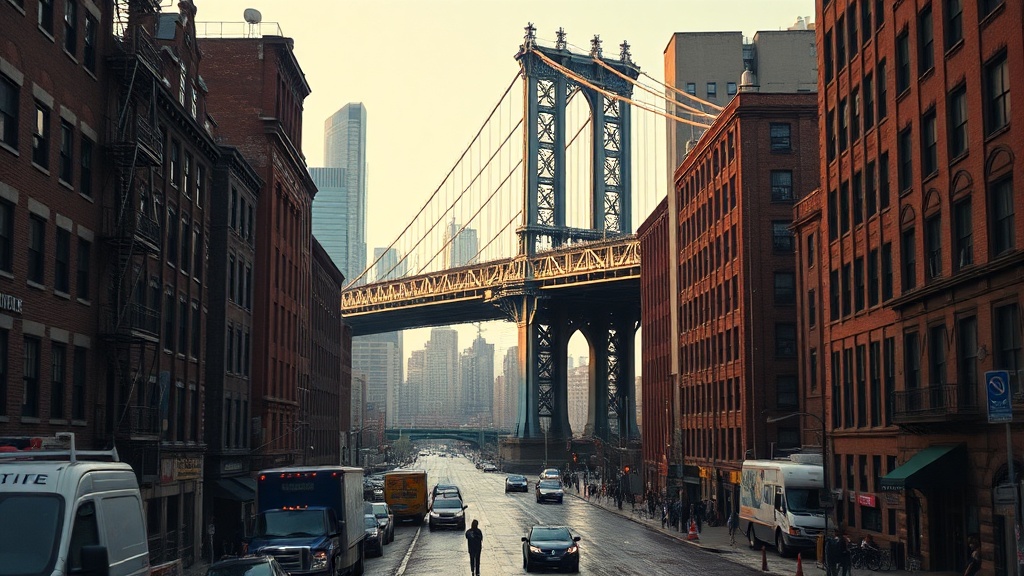
– DUMBO: Iconic for its cobblestone streets and skyline views, this area balances tech and arts with waterfront parks that host markets and performances.
– Williamsburg and Greenpoint: Once dominated by manufacturing, these neighborhoods now mix creative spaces with riverfront walks, craft breweries, and boutique shopping.
– Red Hook: Known for its working waterfront character, the area offers resilient design experiments and a thriving food scene clustered around repurposed warehouses.
– Brooklyn Navy Yard: A model for adaptive reuse, the yard blends light manufacturing, studios, and green roofs while keeping a footprint of industrial heritage.
– Sunset Park: With its maritime-industrial edge, this neighborhood is an important site for new waterfront greenways and cultural activation.
Culture, food, and outdoor life
The waterfront has become a magnet for food entrepreneurs and cultural organizations. Outdoor dining on piers, food halls housed in converted piers and warehouses, and pop-up cultural programming give the riverfront a year-round calendar of activity. Public art and community gardens add texture and local identity, while weekend markets bring local makers into sightlines along the esplanade.
Design that protects
A major shift is toward “soft” infrastructure—wetlands, sandy berms, and planted slopes that absorb floodwaters—paired with hard measures where needed. These design strategies aim to protect homes and businesses while preserving public access.
Community input has been central, with neighborhood groups often guiding priorities around access, affordability, and programing of public spaces.
Tips for getting the most out of Brooklyn’s waterfront
– Plan a bike loop: Connect waterfront parks with bridge crossings to turn a stroll into a full-day exploration.
– Try the ferry: It’s scenic, practical, and plugs you directly into waterfront neighborhoods. Check schedules before you go.
– Visit off-peak: Early evenings and weekdays offer calmer strolls and easier seating at waterfront cafes.
– Explore beyond the well-known piers: Smaller parks and converted industrial sites frequently host local markets and artist studios.
– Keep an eye on community events: Pop-ups, outdoor concerts, and makers’ markets are common and often low-cost.
Brooklyn’s waterfront is evolving into a resilient, accessible, and lively corridor that reflects the borough’s diversity. For residents and visitors alike, it’s a place to enjoy sweeping river views, discover new food and art, and experience a shoreline built for both people and climate realities.