Brooklyn continues to be a magnet for culture, food, and neighborhood energy, blending long-standing communities with constant reinvention. Whether visiting for a weekend or scouting a neighborhood to call home, understanding what makes Brooklyn distinct helps you experience the borough beyond the postcards.
Neighborhood character and creative scenes
Brooklyn’s neighborhoods each deliver their own vibe. DUMBO and Williamsburg are known for waterfront views, galleries, and a tech-and-creative mix. Park Slope and Carroll Gardens offer tree-lined streets, family-friendly shops, and a quieter pace. Bushwick and Bedford-Stuyvesant showcase vibrant street art, community-driven galleries, and emerging restaurants that push culinary boundaries. Coney Island remains a classic seaside draw with boardwalk attractions, while Prospect Lefferts Gardens and Crown Heights highlight rich cultural histories and growing dining scenes.
Waterfront transformation and public spaces
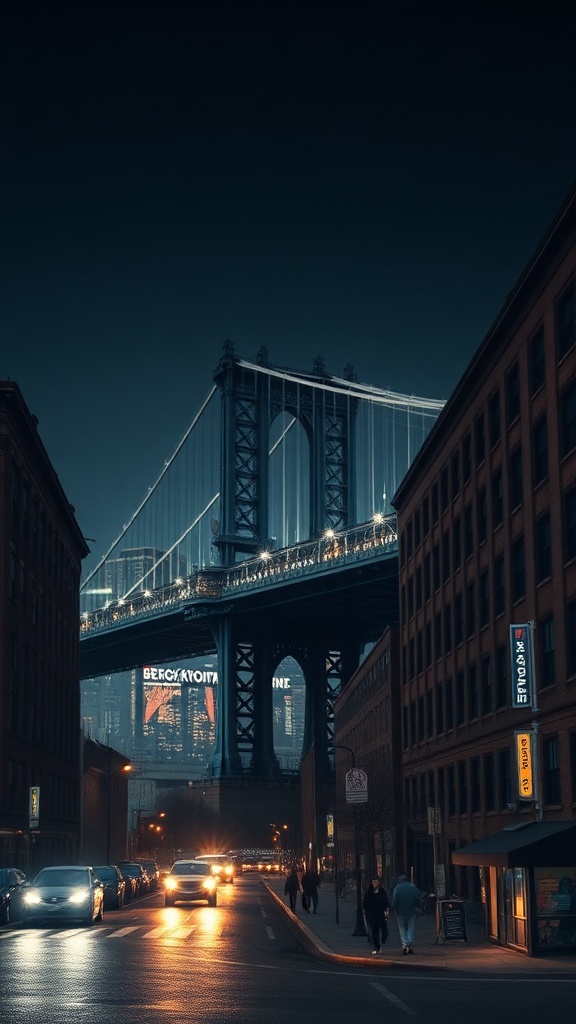
The Brooklyn waterfront has undergone significant transformation, with parks and promenades reclaiming industrial edges for public use. Continuous investment in green space has produced places where locals picnic, jog, and attend outdoor cultural programming. Notable spots include large parks with skyline views, smaller pocket parks tucked between blocks, and renovated piers that host seasonal markets and performances. Waterfront access is increasingly connected by multi-use paths that encourage walking, biking, and casual exploration.
Food and drink
Brooklyn’s food scene balances innovation and tradition. Neighborhood bakeries, artisanal coffee shops, and independent breweries thrive alongside Michelin-starred restaurants and inventive food halls.
Classic delis, ethnic eateries, and family-run pizzerias coexist with chef-driven tasting menus and plant-forward concepts. Weekly farmers’ markets and pop-up events are great ways to sample local produce, baked goods, and small-batch products while supporting neighborhood vendors.
Arts, museums, and nightlife
Cultural institutions range from large museums with rotating exhibitions to intimate artist-run spaces. A dynamic calendar of performances spans music venues, independent theaters, and outdoor concerts. Nightlife varies by neighborhood—cocktail bars and live-music venues in some areas, late-night spots and dance scenes in others—offering options for many tastes without relying solely on one precinct.
Transit and accessibility
Brooklyn is well-connected through subway lines, bus routes, and expanded ferry services that link the waterfront to Manhattan and other boroughs. Bike lanes and shared-bike programs make short trips easy, while walkable commercial corridors make neighborhood outings convenient. For visitors, planning travel times and checking service alerts helps avoid surprises during peak hours or special events.
Community and housing challenges
Rapid development brings opportunity and pressure. Many neighborhoods are seeing new residential and commercial projects alongside long-time community institutions. Local organizations often lead efforts around affordable housing, small-business support, and public-space stewardship, creating channels for residents to influence neighborhood change.
Tips for exploring
– Start with a neighborhood walk to get a feel for local shops, cafes, and public spaces.
– Visit a market or community event to engage with makers and vendors.
– Mix planned visits to cultural institutions with aimless wandering along waterfront promenades or tree-lined streets.
– Use transit and bike options to see multiple neighborhoods in one day.
Brooklyn remains a place of contrasts: historic brownstones next to contemporary architecture, established communities alongside new creative hubs. That dynamic energy is what keeps people returning—to eat, to explore, and to be part of neighborhoods that continue to evolve while holding onto the local character that made them beloved.