New York City’s green spaces are more than pretty backdrops — they’re dynamic places for recreation, culture, and urban resilience.
Whether you have a single afternoon or a full weekend, mixing iconic parks with lesser-known waterfront trails gives a fresh perspective on the city beyond concrete and skyscrapers.
Make a plan, but stay flexible
Start with a loose route: pick one major destination (Central Park, Prospect Park, or the High Line) and link it to nearby green corridors or waterfronts. Public transit and bike-share systems make hopping between spots easy.
Pack layers, sunscreen, and a reusable water bottle — weather can change quickly, and water fountains are plentiful at many parks.
Highlights worth visiting
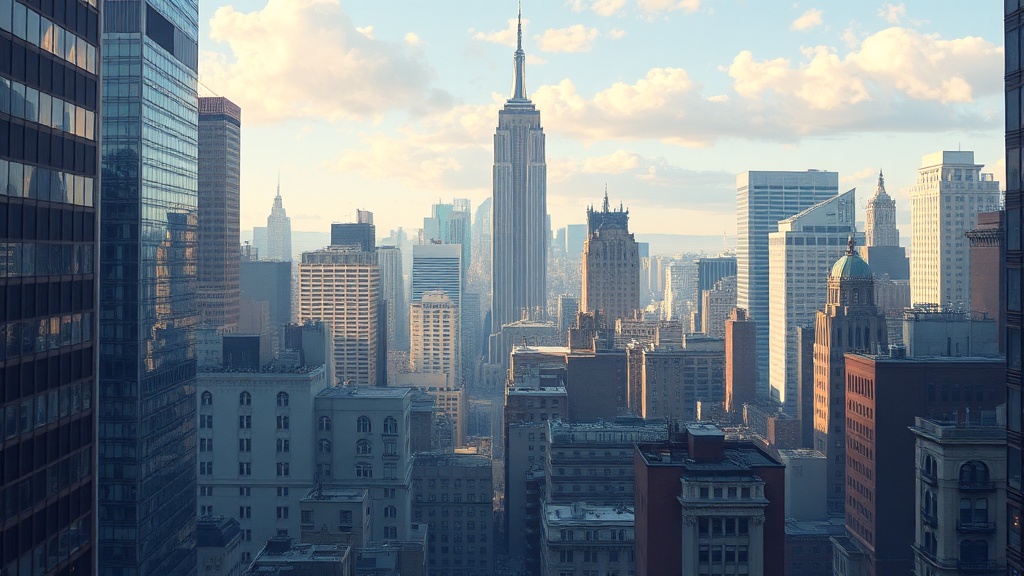
– Central Park: The city’s most famous green space offers lakes, wooded paths, open lawns, and cultural attractions. Walk the Reservoir loop for skyline views, or find a quieter spot on the Ramble if you want birdwatching and shade.
– The High Line: An elevated linear park built on a former rail line, the High Line combines landscape design, public art, and curated plantings. Early morning or late afternoon avoids the busiest times and provides better light for photos.
– Brooklyn Bridge Park: Stretching along the East River, this park offers waterfront piers, sports fields, and spectacular skyline views. Stroll the promenade and time your walk to catch golden-hour light on the Manhattan skyline.
– Prospect Park and Brooklyn Botanic Garden: Together they form a calming green complex. Prospect Park’s loops are great for runs and picnics; the botanic garden displays seasonal blooms and quiet garden rooms.
– Governors Island and the Harbor Islands: Short ferry rides send you to car-free islands with bike paths, picnic lawns, and panoramic water views. These islands are perfect for escaping city noise without venturing far.
Less obvious escapes
– Hudson River Park and the East River Greenway offer miles of waterfront trails perfect for running, cycling, or a relaxed stroll.
– Neighborhood pocket parks often host community events and farmers markets; check local listings for pop-up performances and outdoor fitness classes.
Practical tips
– Mobility and access: Many parks are fully accessible; check official park maps for entrances, restrooms, and accessible paths. Bike-share hubs and scooter zones are common near major parks.
– Eat like a local: Bring a picnic from a neighborhood deli or pick up from nearby markets and food carts to enjoy at a scenic spot. Several parks now have concessionaires and seasonal food vendors.
– Safety and etiquette: Keep dogs leashed where required, follow posted rules for grills and alcohol, and be mindful of noise and private events.
Leave no trace by packing out trash or using park receptacles.
– Events and programming: Parks host concerts, outdoor movies, fitness classes, and art installations. Sign up for newsletters from park conservancies or check municipal event calendars for schedules and ticket info.
Why these spaces matter
Green spaces play a key role in improving air quality, managing stormwater, and providing urban cooling.
Many parks are part of broader resilience and public-health initiatives that prioritize access for diverse communities.
Final thought
Exploring New York’s parks is a great way to see how the city balances high-energy urban life with restorative outdoors. Start small — a loop around a neighborhood park — and you’ll soon discover a network of green corridors that connect communities, culture, and the city’s waterfront.