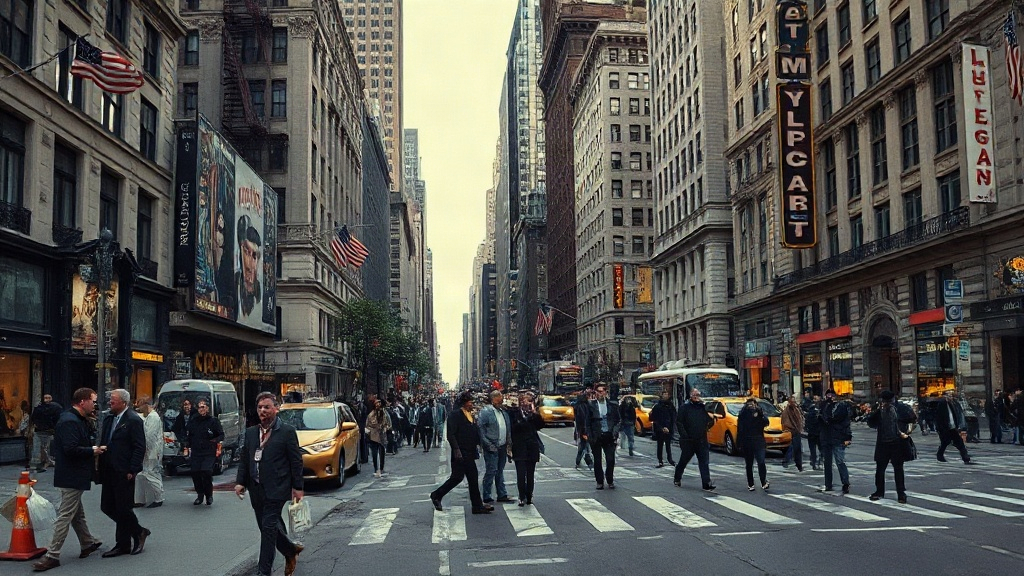
New York City culture is a living mosaic—layered, noisy, intimate and irreverent all at once. Walk a few blocks in any direction and you’ll pass a storefront that tells a story: a decades-old bodega, a new immigrant bakery, an independent bookstore, a mural-strewn lot where musicians and skateboarders share space. That mix of the old and the new, of hyper-local traditions and global influences, is what keeps NYC’s cultural life irresistible.
Food is one of the clearest entry points. Beyond headline restaurants, the city’s culinary identity thrives in neighborhood kitchens: family-run restaurants, late-night diners, food trucks serving regional specialties, and community-run markets.
These spots are often the first places where traditions evolve—recipes meet new ingredients, flavors cross borders, and menus reflect the stories of entire blocks.
Sampling street food, sipping coffee at a corner café, or grabbing a pastry from a tiny shop are as much cultural experiences as museum visits.
The creative scene lives in small venues and on improvised stages. Experimental theater, indie music shows, spoken-word nights, and comedy sets happen in basements, church halls, and storefronts. Those intimate settings are where artists take risks and communities gather to see work that feels immediate and unfiltered. Visual arts similarly spill out of gallery districts into pop-up shows, collective studios, and public murals that transform blank walls into conversation starters.
Public spaces are cultural incubators. Parks host everything from dance lessons and fitness classes to open-air concerts and film screenings.
Street fairs and seasonal markets bring neighbors together, while community gardens offer pockets of calm and creativity.
These places make culture accessible—free or low-cost programming frequently puts contemporary performance, craft, and food within reach of a broad audience.
Street art and public installations shape how neighborhoods look and feel. Murals honor local heroes, comment on social issues, or simply brighten a block; temporary sculptures and light installations activate plazas and transit hubs. Public art functions as both landmark and narrative device, mapping the city’s shifting identities and sparking dialogue between residents and visitors.
Nightlife and live music stubbornly resist being pigeonholed. Jazz lives side-by-side with Latin percussion, experimental electronic sets, punk shows, and folk nights.
Small clubs and DIY venues sustain niche scenes where discovery is part of the appeal. That diversity means a single evening can include a backyard Latin dance, a late-night jazz set, and an underground art show, all within reasonable transit time.
How to experience NYC culture without feeling overwhelmed
– Walk at a neighborhood scale: explore three to four blocks rather than trying to see everything.
– Use public transit: it’s part of the city’s rhythm and connects you to less-touristed pockets.
– Visit weekday mornings and afternoons for quieter, more authentic encounters.
– Check neighborhood calendars, community boards, and local social feeds for pop-ups and small shows.
– Support small businesses and community projects—tips, purchases, and respectful curiosity matter.
The city’s cultural energy comes from everyday participation: residents running community programs, artists sharing work in unconventional spaces, and small entrepreneurs who keep local flavor alive. Whether you’re after a late-night dance party, an offbeat art opening, or a simple meal that tells a family history, New York’s cultural fabric rewards curiosity and a willingness to wander.