How New York City Is Tackling Extreme Heat — and What Residents Can Do
New York City’s dense streets, dark pavement, and towering glass make heat a growing challenge for neighborhoods across the five boroughs. Urban heat island effects amplify hot days, but city agencies, community groups, and residents are adapting with practical strategies that improve comfort, health, and resilience.
Citywide strategies reducing heat
Municipal efforts focus on lowering surface and air temperatures where people live and work. Expanding the urban tree canopy and supporting green roofs cool streets by providing shade and evapotranspiration.
Many buildings are being retrofitted with cool-roof coatings or light-colored membranes that reflect sunlight and reduce indoor temperatures.
Street-level interventions — installing shade structures, planting street trees, and converting asphalt into permeable surfaces — also slow heat buildup.
Public cooling infrastructure
Cooling centers, public libraries, and recreation centers offer safe, air-conditioned refuge during heat alerts. The city maintains a publicly accessible cooling-center map and hotline, and many community organizations open their doors when temperatures spike.
Transit agencies and operators are adding ventilation, platform fans, and station improvements to make travel more bearable during heat waves, while bus and ferry fleets are transitioning to lower-emission technologies that cut excess heat and pollution.
Health-focused outreach and equity
Heat disproportionately affects older adults, people with chronic illnesses, outdoor workers, and neighborhoods with less green space. Targeted outreach programs connect vulnerable residents with home cooling assistance, free fan or air-conditioner distribution, and wellness checks.
Local clinics and neighborhood centers increasingly include heat preparedness in their public-health planning.
What residents can do now
– Know where to go: Save the city’s cooling-center map, your local public library hours, and the nonemergency line (311) in your phone.
– Stay hydrated and adjust routines: Drink fluids before you feel thirsty, limit strenuous outdoor activity to cooler parts of the day, and take frequent breaks in shaded or air-conditioned spaces.
– Make homes cooler without high energy bills: Close curtains or blinds facing direct sun, use fans to create cross-ventilation, and seal gaps that let hot air in.
When using air conditioning, set reasonable thermostat targets and combine with ceiling or box fans to increase comfort while using less power.
– Protect vulnerable neighbors: Check in on older relatives, neighbors, and others who may need help accessing cooling resources. Arrange transport to cooling centers when needed.
– Advocate locally: Support tree plantings, pocket-park projects, and community cooling initiatives. Attend neighborhood meetings to push for shade structures and heat-resilient street design.
Long-term resilience and community action
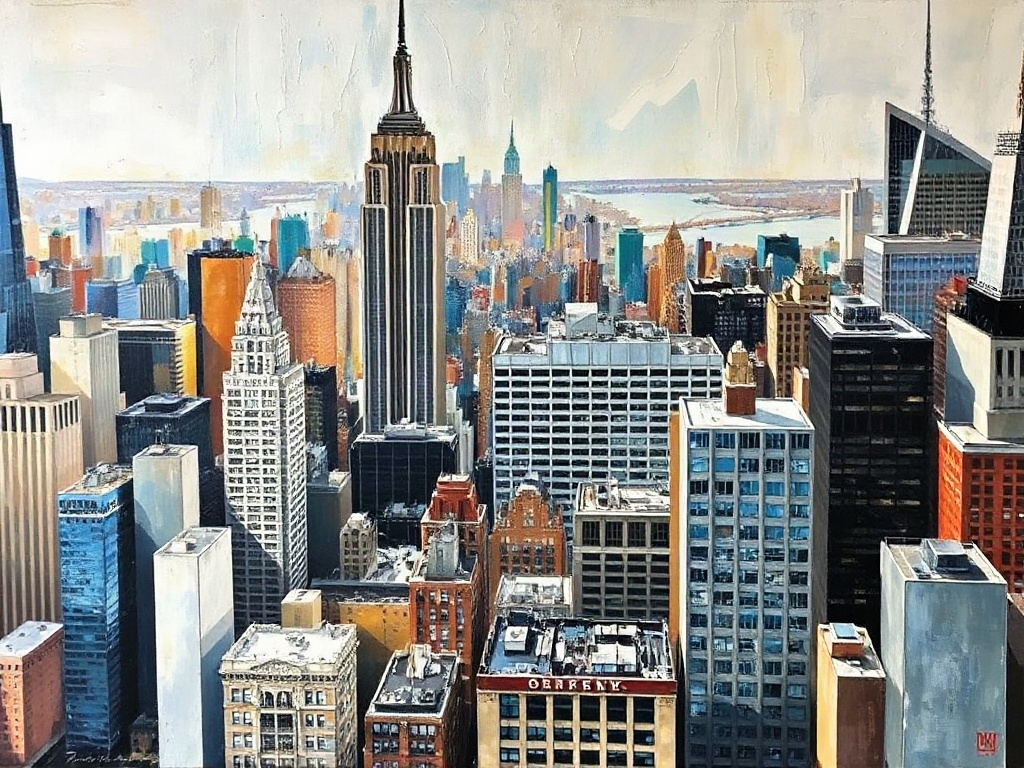
Community-led greening projects, schoolyard conversions into play-friendly green spaces, and incentives for cool roofs and solar installations all contribute to long-term cooling. Businesses, building owners, and homeowners can reduce their heat footprint by investing in reflective roofing, planting trees, and creating shaded outdoor seating that benefits customers and neighbors.
Heat is a citywide issue that requires coordinated public planning and everyday actions. By using existing cooling resources, adjusting daily habits, and supporting local resilience projects, New Yorkers can stay safer and more comfortable while helping make neighborhoods cooler and healthier for everyone.