New York City moves fast, but exploring it doesn’t have to feel overwhelming. Whether visiting for a weekend or discovering neighborhoods you haven’t yet explored, a few practical strategies make the city more enjoyable, affordable, and authentically memorable.
Get around like a local
– Use the subway for speed, buses for cross-town routes, and ferries for scenic commutes. Familiarize yourself with express versus local service and plan extra time for transfers during peak periods.
– Pay contactless with a tap—most transit systems accept mobile wallets and contactless cards—so you can skip paper tickets.
Bike-share stations are plentiful across boroughs for short hops, and rideshares fill gaps late at night.
– Walking is often the fastest and most rewarding option in dense neighborhoods. Manhattan’s grid makes navigation intuitive: numbered streets generally run east–west and increase as you head north.
Neighborhood highlights beyond the postcard
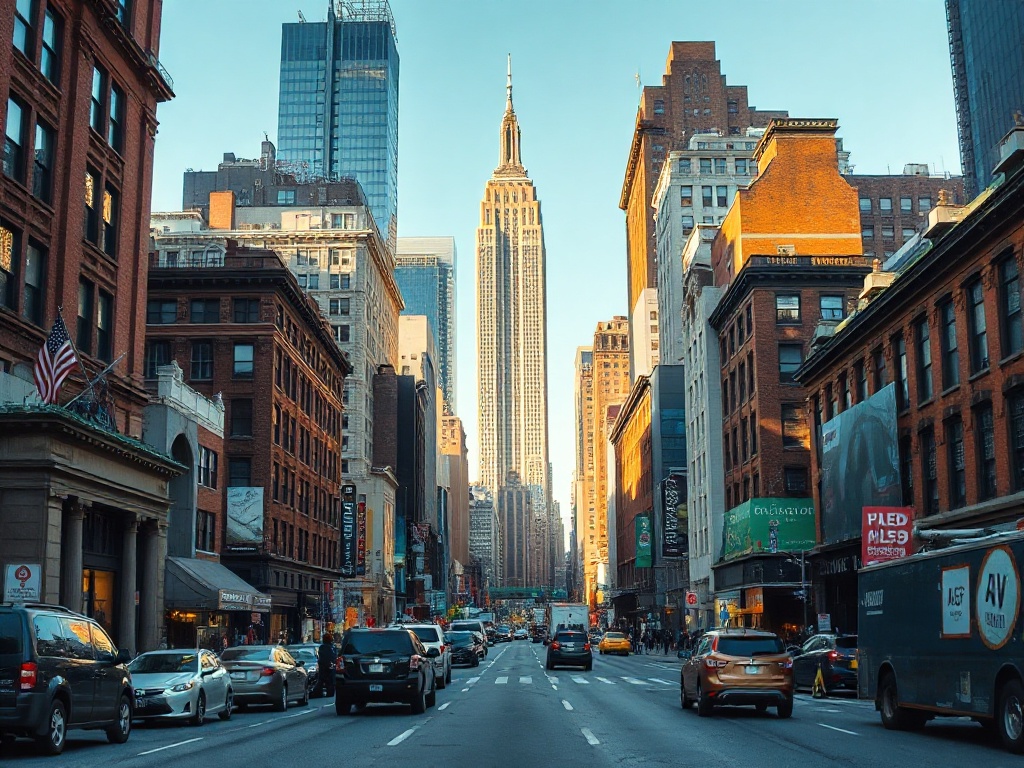
– Midtown has those iconic skyline views and major museums, but stepping farther afield reveals the city’s depth. Brooklyn neighborhoods offer indie shops, craft breweries, and vibrant dining scenes. Queens is a multicultural food capital where neighborhoods showcase cuisines from across the globe. The Bronx holds beautiful parks and cultural institutions worth a day trip, while the Staten Island ferry provides a free waterborne perspective on the harbor.
– Look for emerging pockets of culture and small-business corridors—longstanding city fabric slides seamlessly into new creative clusters, so explore side streets and converted warehouses for galleries, pop-ups, and studios.
Food, markets, and late-night eats
– Street carts, neighborhood delis, and bodegas are staples for affordable, authentic bites.
For curated experiences, food halls and markets gather local vendors under one roof—ideal for groups with different tastes.
– Book ahead for popular restaurants and check reservation platforms for cancellations.
Many spots also offer limited counter seating or early/late dining hours to avoid waits.
– Don’t miss bakery windows in residential neighborhoods: pastries, bagels, and coffee culture here are as local as it gets.
Parks, waterways, and outdoor escapes
– Public parks vary from sprawling greens to elevated linear parks built on former rail lines.
Waterfront esplanades and ferries offer skyline views and calmer air.
– Look for free outdoor programming—concerts, street fairs, and seasonal events often activate parks and plazas, giving a lively, community feel without a big price tag.
Culture with a bit of planning
– Major museums and performing arts venues often use timed-entry or advance tickets—checking websites before you go avoids long lines. Smaller galleries and community theaters may post rotating schedules, and those downtown art walks can uncover unexpected shows.
– Street art and public installations change frequently; walking tours focused on murals or architecture reveal a layer of the city that guidebooks can miss.
Safety, budgeting, and practical tips
– Keep valuables secure and use well-lit, busier streets at night. Carry a portable charger—navigating transit and maps drains phone batteries fast.
– Save money with city passes for attractions if you plan to visit multiple paid sites, and hunt for free museum days or pay-what-you-can hours.
– Stay flexible: weather and transit changes happen.
Build buffer time into plans and enjoy the serendipity—some of the best discoveries happen when an unexpected corner looks inviting.
New York remains a city of neighborhoods, surprises, and endless tastes. A little planning, a willingness to wander, and an appetite for diverse experiences will turn a checklist trip into something that feels genuinely local.