New York City’s cultural life is constantly evolving, driven by an energetic mix of neighborhood scenes, immigrant influences, and a relentless appetite for experimentation. While headlines often spotlight big-ticket institutions, the city’s vitality lives in the small stages, market stalls, murals, and corner bars where community and creativity intersect.
Neighborhoods as cultural ecosystems
Each neighborhood functions like its own cultural ecosystem. From late-night jazz in intimate clubs to salsa nights spilling onto block parties, the local scene defines the personality of a street.
Walking through a borough reveals independent bookstores with curated selections, community gardens hosting pop-up music sessions, and family-run restaurants serving recipes passed down through generations.
These micro-hubs offer authentic experiences that often outshine packaged tourist itineraries.
Street art and public creativity
Murals, wheatpastes, and guerrilla installations have become a public museum. Large-scale mural programs and privately commissioned works coexist with spontaneous street art, reflecting political debate, community pride, and stylistic innovation. Guided mural walks and self-guided apps make it easy to explore these open-air galleries, while local arts organizations frequently sponsor projects that highlight underrepresented voices.
Food culture: fusion, authenticity, and late-night bites
Food remains one of the quickest ways to understand the city’s cultural mix. A single block can offer Korean tacos, Venezuelan arepas, West African stews, and classic New York slices. Food halls and night markets create low-risk settings for new chefs to test ideas, while longtime neighborhood institutions continue to anchor communities. For late-night culture, food carts and bodegas are indispensable: they’re not just places to grab a snack, but social nodes where conversations and neighborhood rhythms are born.
Independent theater and live performance
Beyond the bright lights of large theaters, an energetic off-mainstream theater scene nurtures playwrights, experimental directors, and performers pushing boundaries. Small venues, black-box theaters, and art spaces host readings, immersive works, and multidisciplinary collaborations that often tackle pressing social themes. For music lovers, intimate venues keep genres like jazz, experimental electronic, Latin, and indie rock thriving.
Museums, accessibility, and community programming
Major museums continue to draw attention, but a noticeable shift toward accessible programming and community partnerships is shaping how people engage with institutional culture. Free or pay-what-you-can days, neighborhood outreach, and satellite pop-ups help museums reach wider audiences. Meanwhile, smaller nonprofit galleries provide critical opportunities for emerging artists and curators to experiment without commercial pressure.
How to experience authentic NYC culture
– Walk at a neighborhood scale: explore side streets, community gardens, and local markets rather than sticking to main avenues.
– Catch an off-Broadway or experimental performance: these often offer bolder ideas at lower ticket prices.
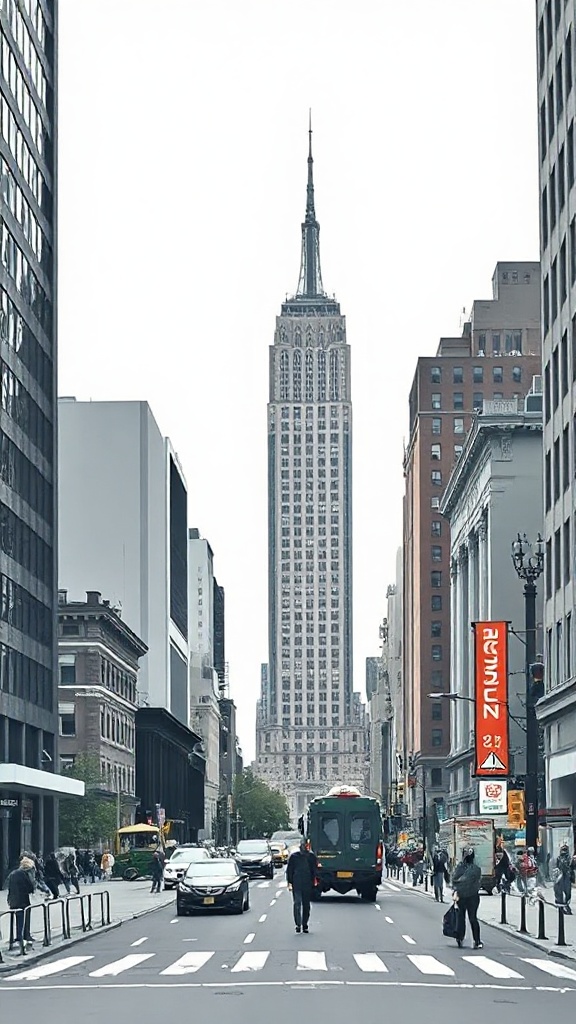
– Follow local event calendars and community boards to discover block parties, gallery openings, and late-night shows.
– Eat with curiosity: prioritize family-run spots and street vendors for authentic flavors.
– Support independent shops and cultural nonprofits to help maintain the fabric of neighborhood life.
Balancing change and continuity
Gentrification and commercial pressures challenge the sustainability of these cultural ecosystems, but community-driven initiatives, creative placemaking, and local advocacy continue to defend spaces for artists and small business owners. The most resilient neighborhoods are those where residents, cultural workers, and local government collaborate to preserve affordability and cultural diversity.
Want an unforgettable cultural day? Start with coffee in an independent café, browse a neighborhood gallery, grab a street-food lunch, catch an intimate evening performance, and then join a late-night crowd at a long-standing local bar. That loop captures the city’s enduring strength: a willingness to blend tradition with innovation, neighborhood pride with openness to newcomers, and grassroots creativity with moments of mainstream recognition.