Manhattan is reinventing itself as the demand for conventional office space shifts and neighborhoods seek a more balanced, 24/7 character.
What began as a response to changing work habits has evolved into a broader movement: converting underused office towers into homes, hotels, schools, and mixed-use destinations that revive streets and diversify local economies.
Why office-to-residential conversions matter
Many office buildings in core business districts were designed for a different era—deep floorplates, large central cores, and limited daylight access. Those features can make them hard to lease long-term under current market dynamics. Converting these properties addresses two pressing needs at once: adding housing in high-demand neighborhoods and reducing office vacancy that can drag on nearby retail and services.
For cities and developers, conversions can be faster and more sustainable than building from scratch, while providing an opportunity to upgrade building systems for energy efficiency and climate resilience.
Practical challenges and technical solutions
Conversions are complex. Structural capacity, window placement, plumbing stacks, elevator layouts, and fire safety systems all affect feasibility and cost. Large floorplates may need to be subdivided; mechanical systems often require complete replacement to meet residential comfort standards.
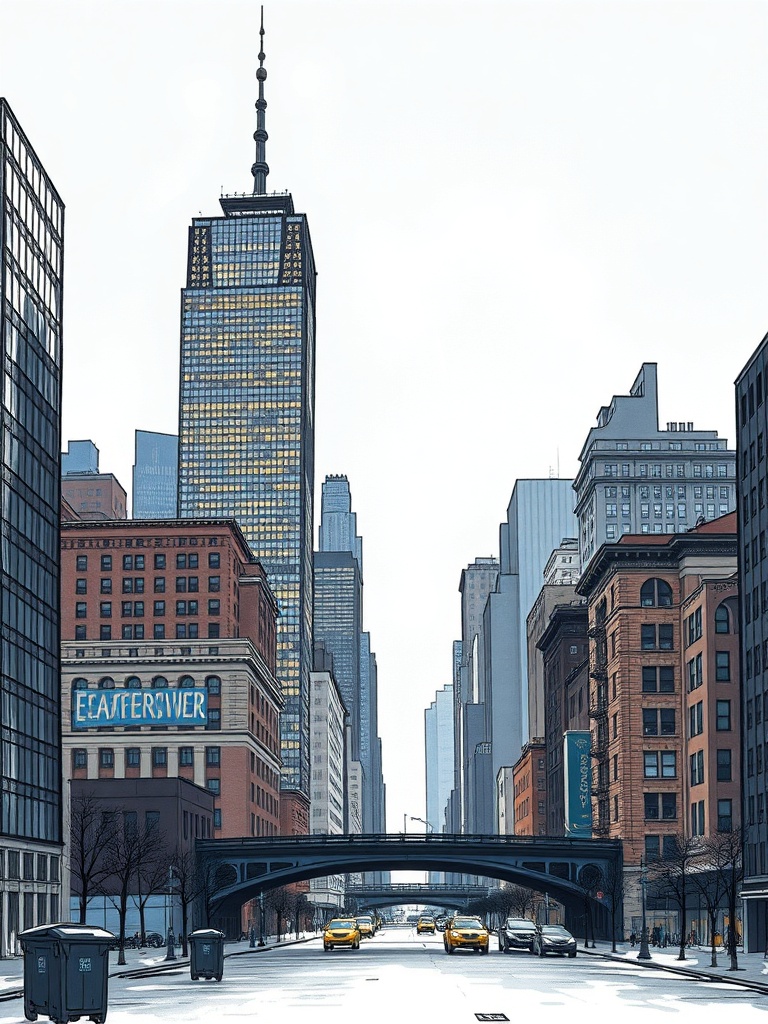
Landmark regulations and zoning rules can either slow projects or, when adjusted, unlock new potential. Financial incentives, tax abatements, and streamlined permitting are increasingly used to make conversions viable.
Design and amenity trends
Successful conversions emphasize natural light, outdoor access, and community amenities—features renters and buyers now expect. Courtyards, rooftop terraces, shared workspaces, fitness centers, and flexible retail at street level help create lively, mixed-use environments. Developers are also prioritizing sustainability: energy-efficient HVAC, heat-pump technologies, green roofs, and enhanced insulation reduce operating costs and improve long-term asset value.
Neighborhood impacts
Turning office buildings into housing can transform neighborhood rhythms. Areas that were quiet evenings and weekends gain population and street-level activity, benefiting restaurants, shops, and services. That shift can create a virtuous cycle: more residents mean more transit ridership and stronger demand for local businesses. But it also brings challenges like increased demand on transit, schools, and public space. Careful planning and investment in infrastructure are essential to ensure conversions strengthen rather than strain communities.
What buyers and investors should consider
Evaluate floorplate geometry and window access early—these determine unit layouts and livability.
Check local zoning flexibility and incentives that may offset retrofit costs. Assess the condition of existing MEP systems and the potential scope of upgrades. For investors, mixed-use projects that combine residential with retail or community space often spread risk and improve long-term returns. For neighborhoods, partnerships between developers, community boards, and city agencies can align projects with local priorities like affordable housing and public realm improvements.
A resilience and sustainability opportunity
Conversions offer a rare chance to modernize aging building stock with low-carbon technologies and resilience measures. Flood-proofing, backup power, water-saving fixtures, and native landscaping can make reinvigorated buildings safer and more sustainable. Thoughtful retrofits create value not only for occupants but for the city’s long-term climate preparedness.
As Manhattan continues to evolve, these conversions will play a key role in shaping more diverse, resilient neighborhoods.
Stakeholders who balance smart design, regulatory savvy, and community engagement will be best positioned to turn underused office assets into thriving urban places people want to live, work, and visit.