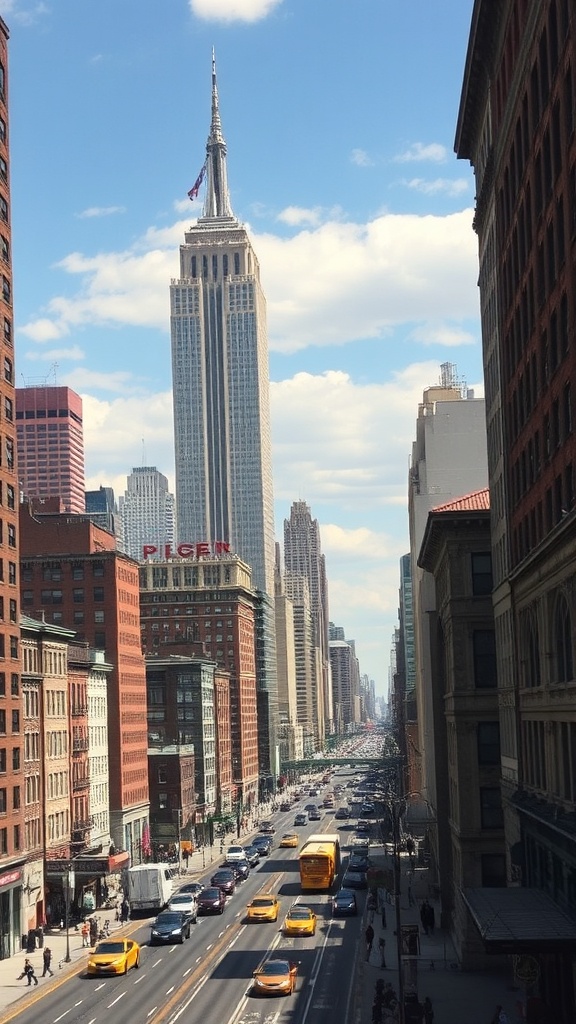
New York City’s shoreline, dense neighborhoods, and critical infrastructure make climate resilience a top priority. With more frequent coastal storms and heavier rain events, the city is investing in layered defenses that blend engineering, nature-based solutions, and community-led planning. Understanding what’s being done and how to prepare helps residents, businesses, and visitors navigate a city that’s adapting to a changing climate.
What the city is building
– Coastal and structural defenses: Projects range from floodwalls and levees to storm surge barriers in vulnerable corridors. These hard protections are targeted where the risk of storm surge and sea-level rise is highest, especially around low-lying neighborhoods and critical infrastructure.
– Nature-based solutions: Restored wetlands, living shorelines, and expanded dune systems absorb storm energy and reduce erosion. Urban wetlands and waterfront greenways also provide habitat while buffering neighborhoods from waves and surge.
– Street-level resilience: Bioswales, permeable pavement, expanded tree canopy, and redesigned curbs reduce runoff and lower street flooding. Green infrastructure is being integrated into parks, plazas, and median strips to manage stormwater at the source.
– Building and utility upgrades: Elevating electrical systems, floodproofing basements, and installing backflow preventers protect homes and businesses. Utilities are investing in redundancy—like microgrids and elevated substations—to maintain essential services during extreme events.
Policy, planning, and equity
Planning for resilience isn’t only engineering. Zoning changes, buyout programs for the most flood-prone lots, and resilience hubs (community centers designed to provide shelter, heat, power, and information during disruptions) aim to protect both infrastructure and people. Equity is a major focus: ensuring low-income communities and historically underserved neighborhoods receive prioritized investments can reduce disproportionate impacts.
What neighbors and businesses can do
– Prepare physically: Move valuables and critical systems above expected flood levels, install check valves on drains, and have flood barriers or sandbags ready. For renters, discuss flood-readiness with landlords and document property conditions for insurance claims.
– Get the right insurance: Standard renters and homeowners policies usually don’t cover flood damage—flood insurance through the national program or private providers can be essential for waterfront and low-lying properties.
– Make a household plan: Identify evacuation routes, set a family communication plan, assemble an emergency kit, and sign up for local alert systems that provide emergency notifications.
– Consider energy resilience: Portable battery backups, solar-plus-storage, and community microgrid projects can keep lights and refrigeration on during outages.
How to follow and influence the process
Stay engaged through community boards, local planning meetings, and public comment periods for resilience projects. Many city agencies publish plans and maps showing flood risk and project timelines; these resources help residents advocate for targeted protections.
Supporting organizations that focus on equitable climate adaptation can amplify local voices.
New York City’s approach is shifting from single, one-size-fits-all measures to a layered, neighborhood-specific strategy that combines hard infrastructure, natural defenses, policy reforms, and community preparedness. With attention at both the city and local level, neighborhoods can become safer, greener, and more resilient to the storms and heavy rains that are increasingly part of urban life.