Why Brooklyn Remains a Vital, Ever-Changing Urban Hub
Brooklyn continues to be one of the most compelling places to live, work, and explore. Its mix of historic brownstones, cutting-edge design, and vibrant cultural life keeps residents and visitors alike discovering something new. Whether you’re scouting neighborhoods, planning a weekend visit, or exploring culinary hotspots, Brooklyn delivers variety and neighborhood-level personality.
Neighborhoods with character
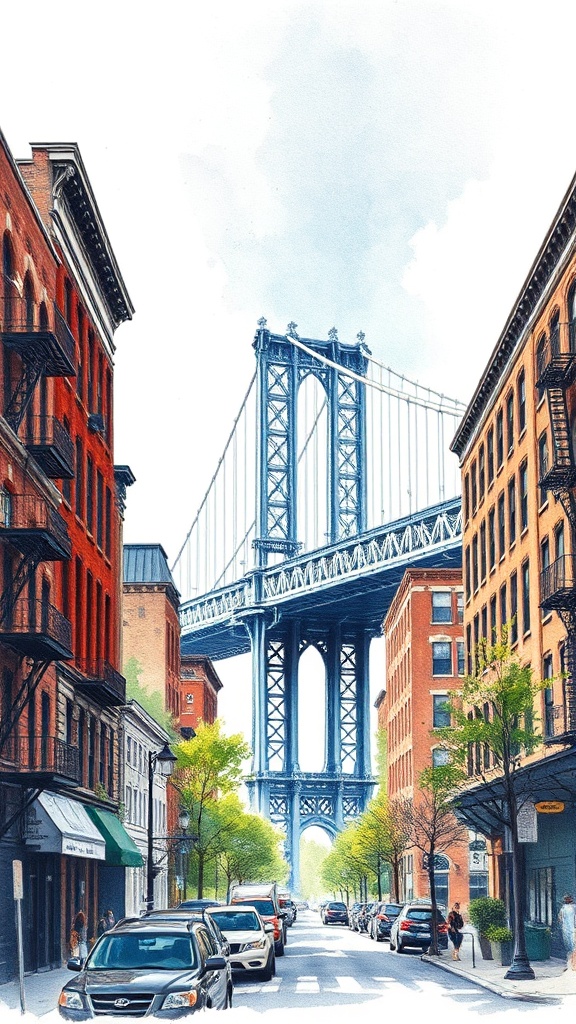
Brooklyn’s neighborhoods each have their own identity. Tree-lined Park Slope appeals to families with its quiet streets and proximity to large green spaces. DUMBO provides dramatic waterfront views and a tech-meets-art vibe with galleries and startups occupying converted industrial buildings. Williamsburg balances indie creativity and nightlife, while Fort Greene and Clinton Hill showcase historic architecture alongside thriving music and arts scenes.
For those seeking edgy street art and experimental venues, Bushwick remains a go-to. Real estate and lifestyle choices across the borough vary widely, so spending time walking different areas gives the best sense of fit.
Parks, waterfronts, and outdoor life
Green space is a major Brooklyn advantage. Prospect Park functions as the borough’s central green lung, offering wide lawns, recreation programs, and a year-round calendar of community events. The Brooklyn waterfront has been transformed with continuous parks and promenades that invite jogging, picnicking, and skyline views. Brooklyn Bridge Park stretches along the East River, pairing historic piers with playgrounds, performance lawns, and seasonal markets. Outdoor activities—from biking along dedicated lanes to kayaking on calmer waterways—make it easy to balance urban living with fresh-air recreation.
A dynamic food and market scene
The Brooklyn food scene blends neighborhood institutions with adventurous new restaurants and bakeries.
From classic delis and pizzerias to inventive tasting menus and global street food, options are plentiful. Farmers markets and curated food fairs put local producers and chefs in the spotlight, while independent coffee shops and craft breweries offer community hubs. Exploring smaller blocks and side streets often uncovers the most memorable meals.
Arts, culture, and nightlife
Music venues, museums, and galleries are woven into Brooklyn’s fabric. Smaller theaters and DIY performance spaces provide platforms for emerging artists, while larger institutions host blockbuster shows and family programming. Nightlife ranges from relaxed cocktail bars and late-night eateries to music venues that spotlight jazz, indie rock, and electronic music. Street festivals and parades celebrate the borough’s cultural diversity throughout the warmer months, creating a lively public calendar.
Practical mobility and local life
Brooklyn benefits from multiple transportation options that make cross-borough travel straightforward. Subways, buses, ferries, and cycling infrastructure connect neighborhoods to one another and to Manhattan. For residents, a neighborhood’s walkability, proximity to transit, and access to groceries and schools often shape daily life more than headline real estate trends.
Tips for exploring
– Walk or bike to soak up neighborhood character; side streets reveal more than main corridors.
– Try a mix of established eateries and pop-up kitchens to experience the full food spectrum.
– Visit parks and waterfronts during off-peak hours for a quieter perspective and better photo opportunities.
– Check community calendars for markets, live music, and outdoor film screenings to connect with local life.
Brooklyn’s strength lies in its constant layering of history and innovation. With neighborhoods that evolve and public spaces that invite people outdoors, the borough remains a magnet for creative energy and everyday urban living.